Seasonal Reading Notes: How to Track Your Autumn and Winter Reading

Autumn doesn't announce itself in the reading life. One evening in late September you put a book down, notice it's properly dark outside and that you've been reading by lamp for the first time in months, and the season has quietly changed underneath you. The books you want in November are rarely the books you wanted in June.
That shift is worth writing down. A few pages of notes kept between October and February will tell you more about your reading than a year of star ratings — not just what you read, but when, where, in what mood, and why some books landed while others slid straight off.
Winter reading is shaped by things you don't control. The light goes early. The sofa gets more use. Attention is split between a warm room and a cold commute, and the evenings fill up with everything from fireworks to the office party to the long fog of January.
Those conditions change what a book does to you. A slow, atmospheric novel that felt tedious in July can be exactly the right company on a dark Tuesday. A comic novel that would have carried you through a sunny weekend can fall flat in a week when you're tired and it's raining sideways. Seasonal notes catch the match between book and moment, which is the thing most reading journals miss.
You don't need a complicated system. Three lines per book will do, as long as they cover the right ground.
Not a rating — a description. 'Restless, wanted something to bite into.' 'Flat, wanted comfort and got it.' 'Distracted all week, read the same page four times.' One honest phrase will bring the whole week back when you read it in March.
Two settings, in fact. Where you were: the back bedroom with the radiator ticking, the 07:12 train with the window fogged, a weekend cottage with no signal. And where the book was: its weather, its season, whether it suited the dark or fought against it. Reading a midsummer novel in February is a strange, welcome act of defiance — note it, or you'll forget why you did it.
How the reading actually happened. Sessions, not pages: ten minutes before work and a two-hour Sunday afternoon are different experiences even when the page count is identical. Note the format too — print at home, ebook on the train, audiobook while cooking. Most readers drift between all three without noticing.
Head a page with the month, then give each book a short block:
A finished entry might look like this:
28 November. The Go-Between. Read over four evenings in the front room, heating on, dark by five. Went in tired and slightly grumpy. The book was quieter than I expected and I slowed down to match it. Would have found it too slow in June. Kept it.
Four lines. If a book gets only a date and one word, that's fine. The page will still show you a pattern by Christmas.
Seasonal notes are most useful when they catch drift. Look for:
Keep the record light. Ten minutes a week is plenty; the point is noticing, not bookkeeping.
Position your lamp so the light falls on the page rather than into your eyes. A lamp beside the chair, slightly behind the shoulder, is usually kinder than a ceiling light, and it keeps the rest of the room dim enough that you don't feel like you're reading in an office. In winter, shorter and more frequent sessions often work better than one long evening, especially when you're tired after dark.
Mix lengths. Pair a long novel with essays, short stories or slim non-fiction, so there's always something finishable in a thin week. Keep one book where you sit and a second in your bag. Audiobooks make a dark commute useful and can carry a difficult book through a fortnight of short journeys.
If your eyes ache or your head hurts after reading, get your eyes checked rather than pushing through. That's a general point about comfort and light, not a diagnosis.
Once a month, on a date you'll remember — the first Sunday, the last Friday — read back over the page and ask:
Write the answers down. Then choose two or three books for the month ahead and leave the rest to chance.
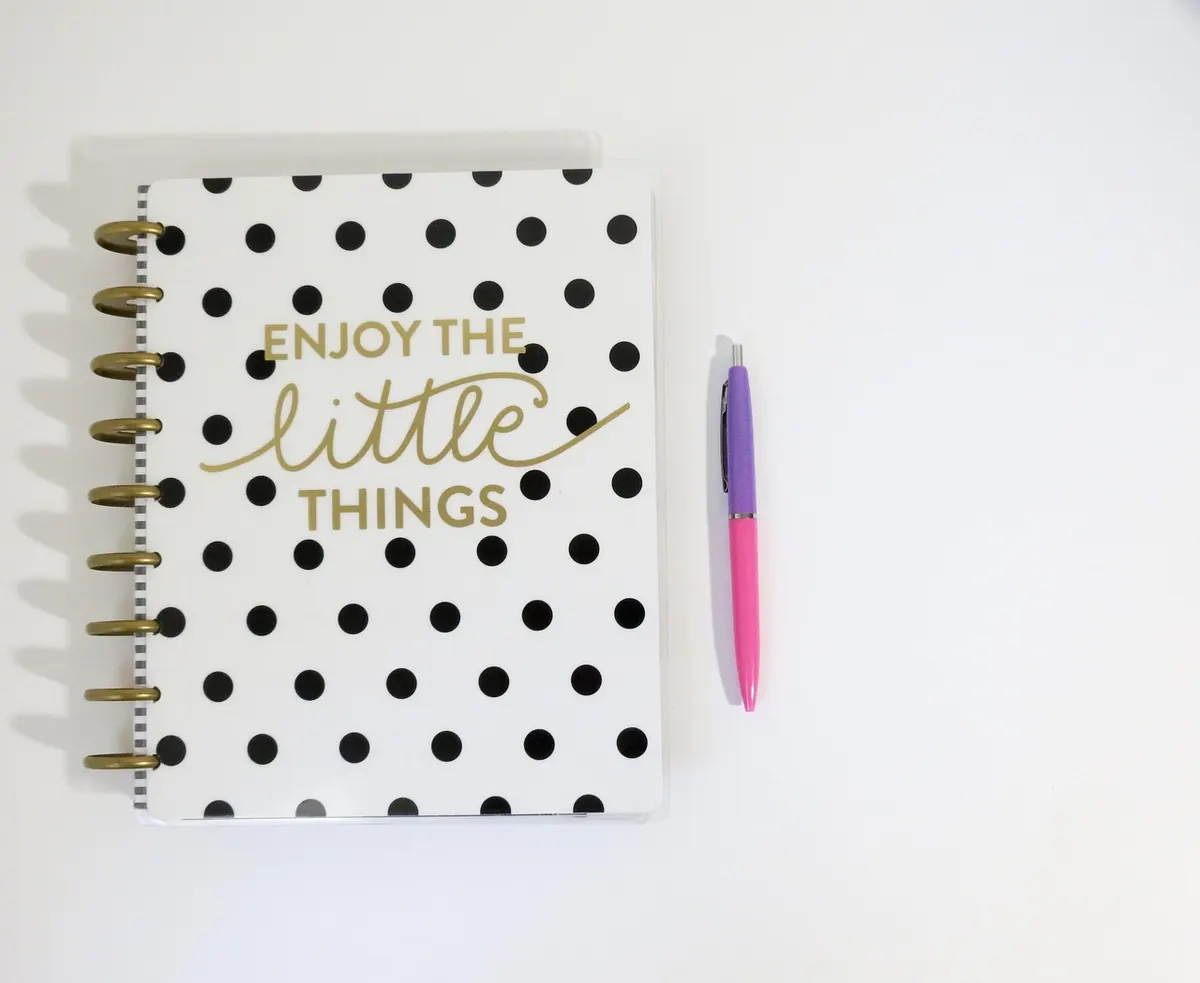
You need a notebook and a pen, nothing else. Open it, write the month at the top, and note the book you're reading now: where you are in it, when you last read, and what you felt when you picked it up. Three lines is enough for a first entry.
Add to it as winter goes on — after a book, after a bad week, after a good one. By the time the clocks change again you'll have a record of a whole season: not a list of titles, but evidence of how you read when it was dark, and what to look for when it's dark again.
Photo: Pexels / Pixabay
Previous Post
Common Mistakes in Reading Notes (and How to Fix Them)
Next Post
Book Club Notes: How to Prepare for a UK Reading Group Discussion